
Water fasting, gaining traction as a weight-loss method, involves consuming only water for a defined period.
Emily Moore’s guide offers a comprehensive overview, detailing preparation and safety.
This practice, rooted in historical and spiritual contexts, demands careful consideration and planning for optimal results.
What is Water Fasting?
Water fasting is a restrictive diet involving the voluntary abstinence from all food and caloric beverages, consuming only water for a specified duration.
As highlighted in Emily Moore’s guide, it’s a powerful practice, yet requires understanding.
Humans can survive only a few days without water, making hydration paramount.
This isn’t simply dieting; it’s a complete physiological reset, potentially triggering autophagy and cellular renewal, demanding careful preparation and monitoring for safety and effectiveness.
Historical and Cultural Context of Fasting
Fasting, a practice predating modern diets, holds deep roots in spiritual and cultural traditions. Vladimir Savchuk notes fasting as a “spiritual detox.” Historically, it served religious purposes, promoting purification and connection with the divine.
Biblical texts frequently reference fasting. Beyond spirituality, cultures utilized fasting for healing and clarity. This ancient practice, now resurfacing in health trends, demonstrates a long-standing human belief in the restorative power of abstinence.
The Rising Popularity of Water Fasting Today
Water fasting’s recent surge in popularity stems from its perceived benefits – weight loss, cellular renewal, and improved health. Emily Moore’s guide reflects this growing interest, offering accessible information for beginners. Online communities and resources further fuel this trend. Individuals seek alternatives to conventional dieting, drawn to fasting’s simplicity and potential for profound physiological changes. This renewed focus highlights a desire for holistic wellness and self-healing practices.

Benefits of Water Fasting
Potential benefits include weight loss, autophagy (cellular renewal), improved insulin sensitivity, and possible chronic disease management.
Moore’s guide details these effects, emphasizing a safe and informed approach to fasting.
Potential Weight Loss Effects
Water fasting is increasingly popular as a weight-loss strategy, though it requires careful consideration. Emily Moore’s guide highlights that restricting intake to only water significantly reduces caloric consumption, leading to weight reduction. However, this weight loss isn’t solely fat; it includes water weight and potentially muscle mass. Sustainable weight management necessitates a carefully planned re-feeding process and a long-term healthy lifestyle post-fast, as detailed in available resources.
Autophagy and Cellular Renewal
Water fasting may trigger autophagy, a cellular process where the body cleans out damaged cells and regenerates new ones. This “self-eating” process is theorized to contribute to overall health improvements. While research is ongoing, proponents suggest autophagy supports cellular renewal and potentially combats age-related decline. Emily Moore’s guide touches upon this, emphasizing the body’s restorative capabilities during periods of nutritional restriction, though individual results vary.
Possible Improvements in Insulin Sensitivity
Water fasting may positively influence insulin sensitivity, potentially aiding in blood sugar regulation. By reducing consistent glucose intake, the body might become more responsive to insulin. This could be beneficial for individuals facing metabolic challenges. While not a cure, some believe it supports healthier metabolic function. Emily Moore’s guide suggests this as a potential benefit, but emphasizes the need for careful monitoring and medical guidance throughout the process.
Potential Impact on Chronic Disease Management
Water fasting is explored for its potential role in managing certain chronic diseases, though research is ongoing. Some proponents suggest it may reduce inflammation and support cellular repair, potentially benefiting conditions like diabetes or heart disease. However, it’s crucial to understand this is not a replacement for conventional medical treatment. Emily Moore’s guide stresses the importance of medical supervision, especially for those with pre-existing health conditions, before considering a water fast.

Preparing for a Water Fast
Preparation is key! A medical consultation and gradual dietary transition are vital before fasting.
Moore’s guide emphasizes careful planning and understanding potential risks for a safe experience.
Medical Consultation and Health Assessment
Prior to embarking on a water fast, a thorough medical consultation is absolutely essential. This assessment identifies pre-existing conditions that may contraindicate fasting, ensuring your safety.
Individuals with certain medical histories should not attempt a water fast without direct medical supervision.
Discuss your plans with a healthcare professional to evaluate potential risks and monitor vital signs throughout the process.
This proactive step safeguards your well-being and allows for personalized guidance.
Psychological Preparation and Mindset
A successful water fast requires robust psychological preparation. Expect initial challenges – hunger, cravings, and emotional fluctuations are common. Cultivate a resilient mindset focused on your goals and the potential benefits.
Fasting can be viewed as a “spiritual detox,” demanding mental fortitude;
Prepare for potential discomfort and embrace the process as an opportunity for self-discovery and discipline;
Positive self-talk and mindfulness techniques are invaluable.
Gradual Dietary Transition Before Fasting
Abruptly stopping food intake can shock the system. A gradual transition is crucial for minimizing discomfort and maximizing safety. Reduce processed foods, sugar, and caffeine several days beforehand. Focus on whole, plant-based foods.
This eases the digestive process and prepares the liver and kidneys.
Hydrate well during this phase, laying the groundwork for adequate water intake during the fast itself.
Essential Supplies and Planning
Thorough preparation is paramount for a successful fast. Secure a reliable water source and consider electrolyte supplements. A journal for tracking progress and feelings is invaluable. Plan for rest and minimize strenuous activity.
Inform supportive individuals of your intentions.
The LifeCo Phuket suggests careful planning to ease digestion and avoid potential issues, emphasizing a slow and easy approach.
During the Water Fast
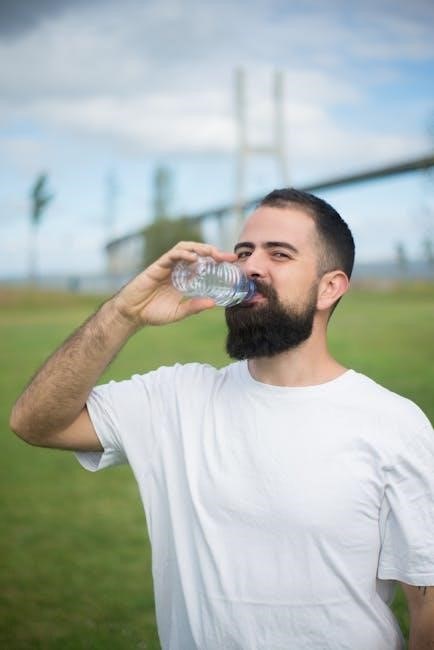
Prioritize hydration with consistent water intake. Expect initial challenges like hunger and cravings. Monitor your body’s signals and vital signs closely for well-being throughout the process.
Hydration Strategies and Water Intake
Maintaining adequate hydration is paramount during a water fast. The LifeCo Phuket program emphasizes the importance of water for easing digestion and supporting kidney function.
Aim for consistent water consumption throughout the day, listening to your body’s thirst cues.
Melons, with their high water content (around 90%), are excellent for initial re-hydration, as suggested by The LifeCo, gently replenishing fluids and electrolytes.
Proper hydration minimizes potential discomfort and supports the body’s natural detoxification processes.
Managing Hunger and Cravings
Navigating hunger and cravings is a key aspect of water fasting. Emily Moore’s guide provides expert advice on managing these challenges. Initially, hunger pangs may be intense, but typically subside as the body enters ketosis.
Distraction techniques, mindful meditation, and focusing on the benefits can be helpful. Remember, cravings are often psychological; acknowledging them without indulgence is crucial for success. Patience and a strong mindset are essential during this process.
Expected Physical and Emotional Changes
During a water fast, anticipate various physical and emotional shifts. Fatigue, headaches, and dizziness are common initially, as the body adjusts. Emotionally, you might experience irritability, anxiety, or heightened sensitivity. These are normal responses to detoxification and caloric restriction.
Moore’s guide emphasizes self-awareness and gentle self-compassion. Prioritize rest, hydration, and mindful practices to navigate these changes effectively.
Monitoring Vital Signs and Well-being
Consistent self-monitoring is crucial during a water fast. Regularly check your heart rate, blood pressure, and body temperature. Pay close attention to any unusual symptoms like severe dizziness or persistent headaches. Moore’s guide stresses the importance of recognizing warning signs.
Maintain a journal to track your physical and emotional state, aiding in personalized adjustments and ensuring a safe fasting experience.
Breaking the Fast – Re-feeding
Re-feeding must be slow and gradual to avoid complications. Start with easily digestible foods like melons, high in water content, as suggested by The LifeCo program.
The Importance of a Slow and Gradual Re-feeding Process
Re-feeding after a water fast is a critical phase often underestimated. Rushing this process can lead to re-feeding syndrome, a potentially dangerous metabolic disturbance. The body, having been in a fasted state, is extremely sensitive.
Introducing food too quickly overwhelms the digestive system and can cause electrolyte imbalances. The LifeCo Phuket program emphasizes taking it “slow and easy,” allowing the body to adapt. Prioritizing gentle foods and mindful eating is paramount for a safe and successful transition back to a normal diet.
First Foods to Introduce (Melons, etc.)
Breaking the fast requires careful food selection. Experts, like those at The LifeCo Phuket, strongly recommend starting with melons. Their high water content – around 90% – aids rehydration, a crucial need after water fasting.
Melons are easily digestible, minimizing stress on the recovering digestive system. Other gentle options, introduced gradually, might include diluted fruit juices and vegetable broths. Avoid complex foods initially, allowing the body to slowly re-establish its metabolic processes.
Avoiding Re-feeding Syndrome
Re-feeding syndrome is a potentially dangerous shift in electrolytes and fluids that can occur when nutrition is reintroduced too quickly after prolonged fasting. It’s vital to re-feed slowly and gradually, starting with small, easily digestible portions.
Monitoring electrolyte levels – particularly potassium, magnesium, and phosphate – is crucial. Rapid carbohydrate intake can overwhelm the system, so prioritize gentle reintroduction and heed any warning signs like weakness or irregular heartbeat.
Re-establishing a Healthy Diet Post-Fast
Post-fast, prioritize a nutrient-dense diet focused on whole, unprocessed foods. Gradually introduce complex carbohydrates, healthy fats, and lean proteins. Avoid processed sugars, refined grains, and excessive amounts of any single food group.
Focus on mindful eating and listen to your body’s hunger cues. A sustainable, balanced approach is key to maintaining the benefits achieved during the fast and preventing future imbalances. Long-term well-being depends on consistent, healthy choices.

Risks and Contraindications
Water fasting carries potential side effects like headaches and fatigue. Individuals with pre-existing medical conditions should avoid it; always consult a doctor first!
Potential Side Effects (Headaches, Fatigue, etc.)
During a water fast, expect initial discomfort as the body adjusts. Common side effects include headaches, fatigue, dizziness, and nausea. These typically subside within the first few days as the body enters ketosis.
Some individuals may experience muscle cramps or digestive upset.
Proper hydration is crucial to mitigate these effects.
Emily Moore’s guide emphasizes recognizing these symptoms and adjusting the fast if necessary, prioritizing safety above all else.
Who Should NOT Water Fast (Medical Conditions)
Water fasting isn’t suitable for everyone. Individuals with pre-existing medical conditions – like diabetes, kidney disease, or eating disorders – should avoid it. Pregnant or breastfeeding women, and those taking medications, also face risks.
Emily Moore’s guide stresses a thorough medical consultation before starting.
Those with a history of heart problems or compromised immune systems should absolutely refrain from attempting a water fast.
Recognizing Warning Signs and When to Stop
Pay close attention to your body during a water fast. Severe headaches, extreme fatigue, dizziness, or heart palpitations are red flags.
If you experience any of these, immediately discontinue the fast.
Moore’s guide emphasizes prioritizing safety; don’t push through discomfort. Dehydration symptoms or any concerning changes warrant halting the fast and seeking medical advice promptly.

Water Fasting and Spirituality
Fasting is a spiritual detox, offering a connection between mind, body, and spirit.
Savchuk highlights its biblical roots, promoting introspection and a deeper sense of well-being during the process.
Fasting as a Spiritual Practice
Throughout history, fasting has transcended mere dietary restriction, becoming a profound spiritual discipline. Vladimir Savchuk emphasizes this, describing it as a “spiritual detox,” a period for heightened awareness and connection to something greater.
This practice allows for introspection, releasing attachments, and fostering a deeper understanding of oneself. It’s a time to quiet the external noise and listen to inner guidance, promoting mental clarity and emotional healing. Many traditions utilize fasting to enhance prayer, meditation, and spiritual growth.
Biblical Perspectives on Fasting
The Bible frequently portrays fasting not as a requirement, but as a response to significant life events – grief, repentance, or seeking divine guidance. It’s presented as a humbling act, a demonstration of dependence on God rather than self-reliance.
Vladimir Savchuk’s work highlights the biblical foundation of fasting, framing it as a powerful tool for spiritual renewal. Throughout scripture, individuals and communities utilized fasting to draw closer to God and experience His presence in a deeper way.
The Connection Between Mind, Body, and Spirit During a Fast
Water fasting profoundly impacts the interconnectedness of mind, body, and spirit. As the body detoxifies, mental clarity often increases, fostering a heightened sense of awareness. This process, described as a “spiritual detox” by Vladimir Savchuk, encourages introspection and a deeper connection to one’s inner self.
The LifeCo Phuket program emphasizes integrating newfound insights, suggesting fasting facilitates a holistic healing experience, impacting physical, emotional, and spiritual well-being.

Resources and Further Reading
Explore Emily Moore’s Water Fasting Guide and Jennifer Thompson’s journal for insights. Online communities and research offer support and scientific understanding.
Recommended Books (Emily Moore’s Guide, Jennifer Thompson’s Journal)
For a foundational understanding, Emily Moore’s The Water Fasting Guide provides a complete overview, covering preparation, execution, and potential risks. It’s a valuable resource for beginners seeking a “straight scoop” on this practice.
Jennifer Thompson’s 40-Day Water Fast Personal Journal offers a more personal and practical approach, allowing readers to track their experiences and progress throughout a fast. Both books complement each other, offering both theoretical knowledge and a space for self-reflection.
Online Communities and Support Groups
Embarking on a water fast can be significantly enhanced through connection with like-minded individuals. Numerous online communities and support groups offer a platform for sharing experiences, seeking advice, and maintaining motivation. These spaces provide encouragement during challenging moments and foster a sense of accountability. Sharing journeys and learning from others’ successes and setbacks can prove invaluable throughout the process, ensuring a safer and more informed fast.
Scientific Research on Fasting
While water fasting has a long history, modern scientific investigation is beginning to explore its physiological effects. Research suggests potential benefits like autophagy – cellular renewal – and improved insulin sensitivity. Studies are ongoing to understand the impact on chronic disease management, though more robust evidence is needed. Emily Moore’s guide references the science behind the diet, emphasizing the importance of informed practice and safety.

Creating a Personalized Water Fasting Plan
Tailoring a water fast requires determining duration based on individual needs and health.
Regular progress tracking and adjustments are crucial for a safe and effective experience, guided by expert resources.
Determining Fast Duration
Establishing a suitable fast length is paramount, varying significantly based on individual health status and goals. Beginners should start conservatively, perhaps with 24-72 hour fasts, carefully monitoring their body’s response.
Emily Moore’s guide emphasizes a gradual approach, advocating for shorter durations initially;
Longer fasts, exceeding three days, necessitate thorough medical consultation and vigilant self-assessment.
Consider your experience with intermittent fasting and overall wellness when deciding, prioritizing safety above all else.
Adjusting the Plan Based on Individual Needs
Personalization is key; a rigid plan often fails. Monitor your body’s signals – fatigue, headaches, or emotional distress – and adapt accordingly. If experiencing significant discomfort, shorten the fast or pause it altogether.
Moore’s guide stresses the importance of listening to your body.
Pre-existing conditions necessitate stricter adherence to medical advice and potentially shorter fast durations. Adjust hydration levels based on activity and climate, ensuring adequate fluid intake.
Tracking Progress and Making Adjustments
Maintain a journal to record daily weight, energy levels, and any physical or emotional changes. Jennifer Thompson’s journal provides a template for detailed tracking. Regularly assess your well-being; if progress stalls or negative symptoms arise, re-evaluate the fast’s duration or intensity.
Moore emphasizes the science behind adjustments.
Small modifications, like increased rest or electrolyte supplementation, can optimize results and ensure safety throughout the process.

Long-Term Sustainability After Water Fasting
Post-fast, integrate intermittent fasting and prioritize a nutrient-rich diet. The LifeCo suggests a gradual return to eating, emphasizing sustained well-being and healthy lifestyle choices.
Integrating Intermittent Fasting
Transitioning from a water fast, intermittent fasting (IF) offers a sustainable approach to maintain benefits. IF isn’t about when you eat, but when you don’t.
Consider 16/8 – fasting for 16 hours, eating within an 8-hour window – as a gentle reintroduction to timed eating.
This method can support weight management and cellular health, building upon the autophagy initiated during the water fast.
Gradually adjust IF schedules based on individual needs and responses, prioritizing long-term adherence.
Maintaining a Healthy Lifestyle
Post-fasting, a holistic lifestyle is crucial for sustained well-being. Prioritize whole, unprocessed foods, focusing on nutrient density. Regular physical activity, tailored to your fitness level, supports metabolic health.
Adequate sleep is paramount for recovery and hormonal balance.
Mindfulness practices, like meditation, can manage stress and enhance emotional resilience. Remember, a water fast is a catalyst – a healthy lifestyle is the foundation.
The Role of Nutrition in Sustained Well-being
Optimal nutrition is vital after a water fast, rebuilding depleted reserves. Focus on easily digestible foods initially, like melons – high in water content for rehydration. Gradually introduce complex carbohydrates, healthy fats, and lean proteins.
Prioritize a balanced diet rich in vitamins and minerals.
Avoid processed foods, sugar, and excessive caffeine to maintain metabolic health and prevent setbacks.